Research Considerations
Genealogy research involves more than just birth and death certificates. Articles cover female lineage, medical records, criminal transportation, maps, museums and handling surname variations.

Checking Taxation Records for Family History Research
Tax records from centuries past reveal names, ages and social details that can fill gaps in your family tree when other documents are lost.

Do You Need a Professional Genealogist?
Hiring a professional genealogist can save you time, money and frustration when tracing your family tree gets too complicated to handle alone.

Genealogy and a Criminal Past
How to research an ancestor's criminal record and what information you can find in court and prison documents.

Genealogy and Medical Records
Medical records from hospitals, GPs, and health visitors can provide valuable information for tracing your family history.

Genealogy and Military Records
Use UK military records from the National Archives to trace your ancestors' service in the Army, Navy, Marines or Air Force.

How Do You Know When You've Really Hit a Dead End?
When genealogy records run out or clues disappear, you've hit a genuine dead end rather than just a difficult puzzle to solve.

How Museum Collections Can Help You in Genealogy
Museum collections reveal how your ancestors actually lived and worked, giving family tree names real depth and context.
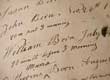
How to Deal with Conflicting Dates in Genealogy.
When researching family history, conflicting dates can be confusing, here's how to figure out which one is likely correct.

How to Find and Use Medieval Genealogy Information
Finding medieval genealogy records is tough, but baptismal registers, church documents, and old bureaucratic papers can help you trace ancestors back.

How to Use Obituaries for Study
Obituaries reveal birth dates, family connections, military service, and life events that help genealogists build accurate family trees.
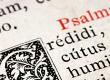
Latin in Church and Legal Records
For centuries, church and legal records were written in Latin, and understanding this language is key to reading your medieval family history.

Poor Law Records and Tracing Your Family Tree
Poor Law records show how workhouses separated families and tracked the poor in England and Wales from 1834 onwards.

Researching British Genealogy from Abroad
Tracing British family roots from overseas is simpler than you think, with census records and online archives making it possible from anywhere.

Sharing the Results of Your Genealogy Research
Once you've traced your family history, sharing what you've found helps other researchers and builds a collaborative community.
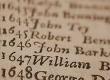
Surname Variations When Tracing Your Family Tree
Surnames changed spelling constantly before the 1800s, so expect multiple versions of your ancestor's name in old records.

Taking a Genealogy Course
A beginner's guide to genealogy courses, from local classes to online options, to help you start researching your family history.

The Family Bible in Genealogy
Family Bibles can hold generations of names and dates that help you build your family tree if you know where to look for them.
The Importance of the 1911 Census
The 1911 census broke new ground by releasing records early and letting you read your ancestors' own handwriting for the first time.

The Importance of the Protestation in Genealogy
The Protestation of 1641 was England's first nationwide census and remains a vital record for tracing family history before official censuses began.

The Increase in Online Genealogical Resources
More genealogical websites and records are coming online, making it easier to trace your family tree from home.

Tracing Ancestors Transported to the Colonies as Criminals
Find your transported criminal ancestors in detailed records spanning 1718 to 1868 across America, the West Indies, and Australia.

Tracing Family History on the Female Side
Tracing your maternal line takes detective work since women's names changed with marriage and historical records are often incomplete.
Tracing the Female Line in Your Ancestry
You can trace your mother's side using maiden names just like you traced your father's surname, opening up a whole other branch of family history.
Using Criminal Records for Family History Research
Criminal records can reveal surprising details about your ancestors, from their occupation and age to the crimes they were accused of.
Using Geographical Maps to Trace Family History
Old maps show where your ancestors lived and what their neighbourhoods looked like when newer versions don't have the details.

Using Local Libraries as Sources
Local libraries offer free access to family history resources, trained librarians, and regional archives to help you trace your ancestry.
Using the International Genealogical Index
The International Genealogical Index is a free database of billions of family history records covering births, marriages, deaths and more dating back to 1500.

Using the Internet to Trace Your Ancestors
Use online genealogy databases and records to trace your family history from home without needing to visit archives in person.

Utilising Local History to Research Your Family Tree
Local history reveals why your ancestors moved, married, and lived the way they did during their lifetimes.

What's at the National Archive?
The National Archives in Kew holds billions of records useful for genealogy and British family history research, from census data to military files.