Discover the fascinating story of your family history with our comprehensive guides covering everything from basic genealogy to medieval records and overseas ancestors. Our expert-written resources help you navigate marriage records, death certificates, and surname research to uncover amazing discoveries about your past. Explore Genealogy is here to help.
Why not try our free tool Record Availability Checker to get instant personalised help.
Death Certificates 1837–Present: Family History Research
Death certificates from 1837 onwards reveal birth dates, addresses and occupations to help piece together your family tree.
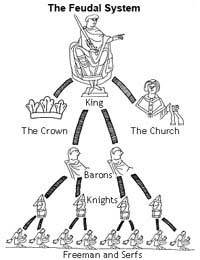
How Far Did People Move in the Middle Ages?
Medieval people moved around far more than the common image of serfs stuck to one manor suggests, especially after the Black Death.
Tracing Huguenot History in England
French and Belgian Protestants fled religious persecution in the 16th and 17th centuries, bringing their skills as silk weavers and craftspeople to England.

Record Availability Checker (Free Tool)
Determines which genealogy records are likely available for a specific ancestor based on location, date, and record type.

Genealogy and a Criminal Past
How to research an ancestor's criminal record and what information you can find in court and prison documents.

Family History: What to Ask Your Older Relations
Ask your older relatives the right questions to uncover family stories, memories, and historical details you won't find anywhere else.
How to Deal with Conflicting Dates in Genealogy.
When researching family history, conflicting dates can be confusing, here's how to figure out which one is likely correct.

The Importance of Wills in Genealogy
Wills reveal family relationships and wealth details that census records can't, making them invaluable for building complete family histories.

The Holocaust and Family Records
How Nazi records documenting Holocaust victims became a resource for families tracing their relatives after the war.
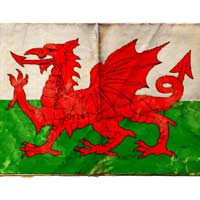
What Welsh Surnames Can Tell Us
Welsh surnames come from patronymic naming traditions that explain why there are so few of them and what they reveal about family history.
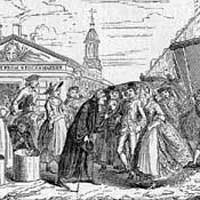
Were Fleet Marriages Taken as Legal?
Fleet marriages were quick, legal ceremonies performed in London prisons between 1696 and 1753, bypassing church requirements entirely.
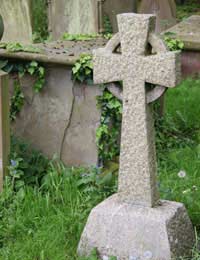
What Gravestones Can Tell Us
Gravestones and memorials reveal family history details that parish records often can't, especially before death certificates existed in 1837.
Employing a Foreign Genealogist
Hiring a genealogist abroad can help you research family history faster and break through language barriers when tracing overseas roots.
Ancestors in Other British Colonies
Finding records for ancestors in British colonies means knowing where to look, from the National Archives to local archives overseas.