Death Records
Using death records and memorial sources to research your family tree. Articles cover death certificates, cremation records, gravestones, probate documents, and historical challenges.
Cremation Records and Tracing Your Family History
How cremation records can help you trace family history back to the 1880s when the practise first became legal in England.
Death Certificates 1837–Present: Family History Research
Death certificates from 1837 onwards reveal birth dates, addresses and occupations to help piece together your family tree.
Genealogy and Pre-1538 Death Records
Before 1538 most death records simply don't exist, but wills and legal documents can help fill the gaps in your family tree.
Genealogy Information from the Cemetery
Cemetery records can reveal crucial details about your ancestors that birth and death certificates won't tell you.
How to Proceed in Genealogy Without a Death Certificate
Find death records without a certificate by checking alternative sources and understanding why deaths go unregistered.
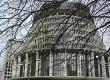
New Zealand Death Records
New Zealand has registered European deaths since 1848, making them valuable for family history research, though the Registrar General's index isn't online.
The Holocaust and Family Records
How Nazi records documenting Holocaust victims became a resource for families tracing their relatives after the war.
Using Probate Registries to Find Death Records for Genealogy
Probate registries hold wills and death records that reveal how your ancestors lived, what they owned, and their family connections.
What Gravestones Can Tell Us
Gravestones and memorials reveal family history details that parish records often can't, especially before death certificates existed in 1837.